Solar mounting structures installed in coastal and industrial environments face more demanding corrosion conditions than those in ordinary inland locations. Salt particles, humidity, industrial pollutants, and long-term outdoor exposure can gradually affect steel components, particularly at cut edges, drilled holes, and connection points. Selecting an appropriate coated structural steel is therefore an important part of photovoltaic (PV) system design.
For manufacturers of solar mounting systems, S250GD+ZM Zn-Al-Mg coated steel is one material worth evaluating when structural strength and corrosion protection are both required.
A solar mounting system is expected to remain structurally reliable throughout years of outdoor operation. However, different installation environments create different corrosion risks.
Coastal solar farms are exposed to airborne chlorides carried by sea winds. These deposits can accumulate on steel surfaces and accelerate corrosion, especially when combined with moisture.
Industrial areas present another challenge. Sulfur-containing pollutants, chemical emissions, and condensation may contribute to coating deterioration. In agricultural regions, fertilizers and other chemical substances can also increase the corrosion risk.
Desert installations have different concerns. Although rainfall may be limited, temperature fluctuations, dust accumulation, and sand abrasion can influence the condition of protective coatings.
This means that selecting steel based only on its nominal yield strength is insufficient. Engineers should also consider the exposure environment, coating system, component geometry, and maintenance requirements.
Traditional hot-dip galvanized steel has long been used in photovoltaic mounting structures. However, Zn-Al-Mg coated steel offers another approach to metallic corrosion protection.
The coating combines zinc, aluminum, and magnesium. During exposure to corrosive conditions, corrosion products can develop around damaged areas and cut edges, helping reduce the progression of corrosion.
Research on Zn-Al-Mg coated steel has demonstrated that its corrosion behavior at cut edges differs from conventional zinc coatings. The protective corrosion products formed near exposed steel can help suppress further corrosion.
For solar mounting manufacturers, this characteristic is particularly relevant because components are commonly subjected to punching, cutting, drilling, and roll forming before installation.
However, improved cut-edge protection should not be interpreted as complete immunity to corrosion. Coating damage, severe scratches, water retention, and unsuitable installation details still require attention.
S250GD+ZM is a structural steel grade under EN 10346. Its minimum yield strength is 250 MPa, making it a candidate for structural profiles that require a balance between strength and manufacturing flexibility.
Typical solar mounting components that may be evaluated include:
C-shaped and U-shaped support channels.
Purlins and secondary support members.
Solar panel mounting rails.
Brackets and connecting components.
Supporting frames for ground-mounted PV systems.
The final material selection should depend on the structural calculation, component thickness, span, wind loading, snow loading, and connection design.
For example, a manufacturer producing standard support channels may prioritize dimensional consistency and roll-forming performance. A project located near the coast may place greater emphasis on coating mass, edge protection, and drainage design.
These requirements should be evaluated together rather than treating the coating grade as the only determining factor.
The choice between Zn-Al-Mg and conventional galvanized steel should be based on the actual project environment.
|
Evaluation factor |
Conventional GI steel |
S250GD+ZM |
|---|---|---|
|
Coating system |
Zinc-based |
Zinc-aluminum-magnesium |
|
General corrosion protection |
Established protection |
Enhanced protection potential |
|
Cut-edge behavior |
Exposed steel requires attention |
Improved cut-edge protection |
|
Fabrication |
Suitable for common forming processes |
Suitable for appropriate forming processes |
|
Typical consideration |
Initial material cost |
Corrosion performance and lifecycle cost |
Neither material should automatically be considered the best option for every solar project. Coating weight, exposure category, structural requirements, and project specifications must all be considered.
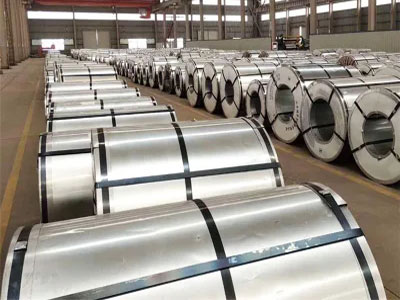
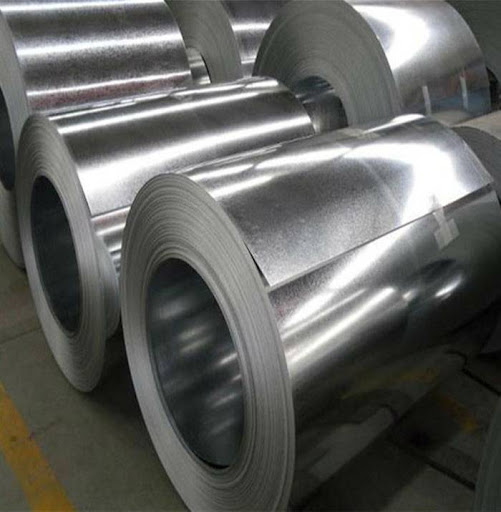
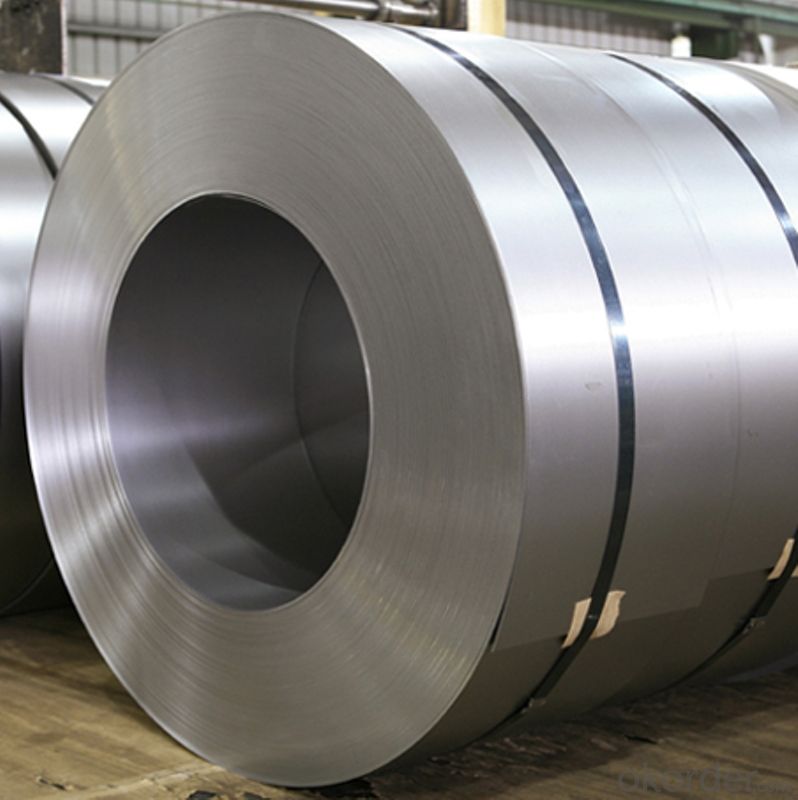
GNEE STEEL supplies Zn-Al-Mg coated steel coils for manufacturers of photovoltaic mounting systems and structural steel components.
Our supply and processing capabilities support customers who need more than standard steel coils. Depending on project requirements, we can assist with material selection, coil slitting, cutting, roll forming, punching, and customized steel components.
For solar mounting manufacturers, we can discuss S250GD+ZM steel coils, C channels, support profiles, and other fabricated parts based on drawings and technical specifications.
Planning a solar mounting project in a coastal or industrial environment? Contact GNEE STEEL with your required grade, coating mass, thickness, and component drawings to discuss a suitable Zn-Al-Mg steel solution.