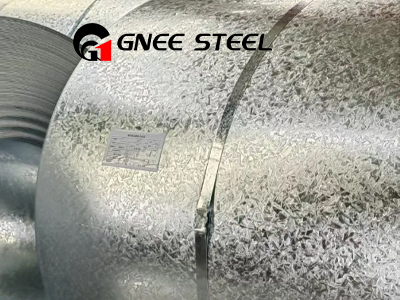
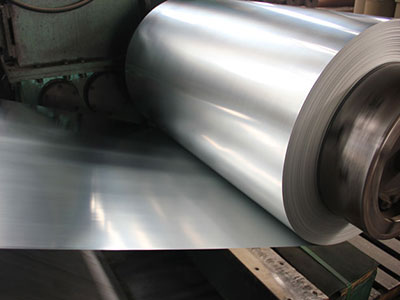
Aluminum-Zinc Coated Steel Coil, widely known as Galvalume or AZ steel coil, has emerged as a core high-performance metal material in the global steel industry, standing out from conventional galvanized steel due to its optimized alloy coating formula and comprehensive mechanical and anti-corrosion properties. Manufactured via advanced hot-dip coating technology, the standard coating layer consists of 55% aluminum, 43.4% zinc and 1.6% silicon, a scientific ratio that perfectly integrates the high-temperature oxidation resistance of aluminum and the sacrificial cathodic protection performance of zinc, while the trace silicon effectively enhances the adhesion and durability of the coating on the steel substrate. This unique structural composition endows the product with far superior comprehensive performance compared with traditional hot-dip galvanized steel coils, making it a preferred material for high-end manufacturing and engineering construction worldwide.
The most prominent advantage of aluminum-zinc coated steel coil lies in its exceptional corrosion resistance. Industry test data shows that its anti-corrosion lifespan is 2 to 6 times that of ordinary galvanized steel coils under the same atmospheric environment, and it maintains stable performance in humid, coastal, and mildly corrosive industrial scenarios. The aluminum component in the coating forms a dense, inert aluminum oxide protective film on the surface, which can effectively isolate oxygen, moisture and corrosive media from contacting the steel base. Meanwhile, the zinc element provides continuous sacrificial protection for exposed steel edges and minor scratched areas, avoiding local rust expansion. Benefiting from this dual protection mechanism, standard AZ150 aluminum-zinc steel coils can achieve a service life of more than 20 years in ordinary outdoor atmospheric environments, greatly reducing later maintenance and replacement costs for end products.
In addition to anti-corrosion performance, the product boasts excellent heat resistance and thermal reflectivity, two key properties that expand its application boundaries in special industrial fields. It can stably withstand long-term high-temperature working environments above 300°C without coating peeling, discoloration or performance degradation, which is incomparable to conventional galvanized steel. Its thermal reflectivity reaches twice that of ordinary galvanized coils, enabling it to effectively reflect solar radiation and heat, reducing heat absorption of building envelopes and mechanical equipment. This feature not only improves the service stability of products in high-temperature scenarios such as industrial ventilation equipment and high-temperature workshop enclosures but also helps modern green buildings reduce energy consumption and achieve energy-saving and emission-reduction goals.
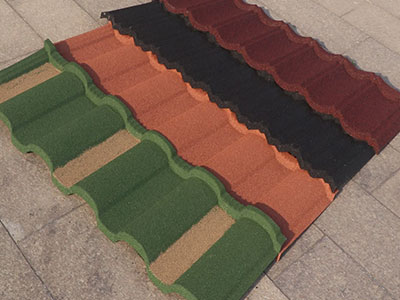
With stable mechanical properties and excellent processability, aluminum-zinc coated steel coil fully meets the diversified processing requirements of downstream industries. The base materials are mainly standardized grades including DX51D, DX52D and S320GD, which comply with international mainstream standards such as ASTM, EN, JIS and GB. The product features uniform coating thickness, smooth and delicate surface, good ductility and bending resistance, and can easily undergo stamping, bending, cutting and rolling processing without coating cracking or falling off. Moreover, it has outstanding paint adhesion, serving as an ideal base material for pre-painted steel coils (PPGL). The composite structure of aluminum-zinc coating and organic paint further upgrades weather resistance and color retention, making it suitable for long-term outdoor decorative and structural use.
Driven by global infrastructure construction, new energy development and upgraded manufacturing demand, the aluminum-zinc coated steel coil market maintains steady growth year by year. The construction industry is the largest downstream application field, where it is widely used in factory roofing, wall cladding, color steel enclosure systems, light steel structure buildings and outdoor decorative components due to its long service life and low maintenance cost. In the home appliance industry, it is applied to the outer panels and internal structural parts of refrigerators, air conditioners, washing machines and ventilation equipment, relying on its anti-fouling, anti-rust and beautiful surface texture. In addition, the product is increasingly adopted in automotive lightweight parts, solar photovoltaic support systems, container accessories and industrial machinery manufacturing, with continuous expansion of market coverage.
In terms of industry development trends, green production and high durability have become the core competitive directions of aluminum-zinc coated steel coil products. With the global emphasis on environmental protection and sustainable development, low-carbon hot-dip production processes and pollution-free coating technologies have been widely promoted in the industry, effectively reducing carbon emissions and environmental pollution during production. Meanwhile, customized products with different coating weights (AZ30-AZ275), special surface treatments and high weather resistance grades are gradually replacing ordinary products, meeting the refined demand of segmented fields such as marine engineering, extreme climate construction and high-end intelligent equipment. As a cost-effective and high-performance green steel material, aluminum-zinc coated steel coil will continue to replace traditional galvanized steel and ordinary carbon steel in more scenarios, with broad market development prospects.
In summary, aluminum-zinc coated steel coil has become an indispensable basic material in modern industry by virtue of its superior anti-corrosion, high temperature resistance, processability and environmental and economic advantages. For global buyers and downstream manufacturers, selecting standardized and high-quality aluminum-zinc coated steel coil can effectively improve product quality, extend service life and reduce comprehensive operating costs. With the continuous iteration of production technology and the expansion of downstream market demand, this product will maintain a stable upward trend in the global steel market, bringing long-term value to the entire industrial chain.
.png)