VR
Gnee Steel News

Is galvanized sheet toxic?

Release Tme: 2023-12-29
Read:
Share:
Is galvanized sheet toxic?

Galvanized sheets are non-toxic, but the cyanide in the hot-dip galvanizing solution is toxic.

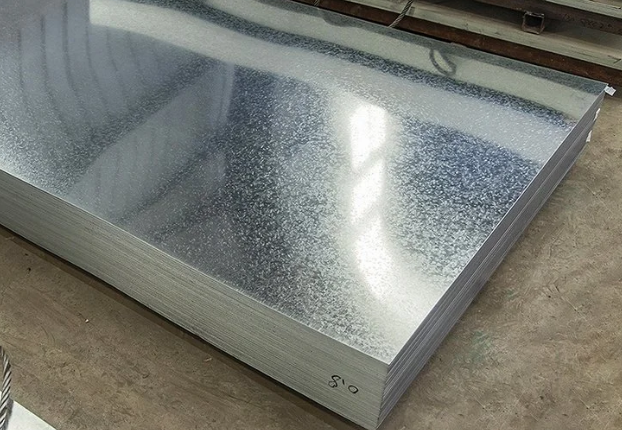
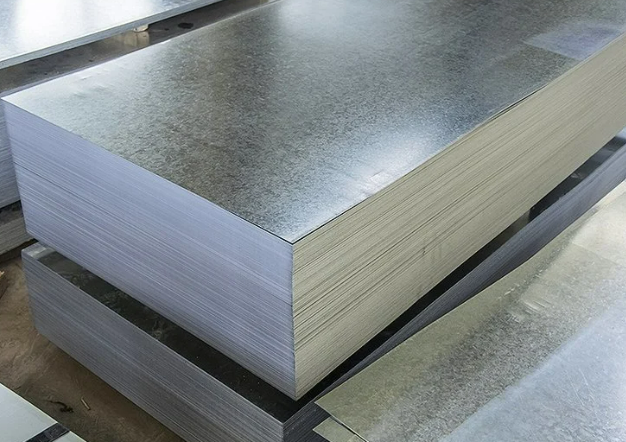
Galvanized steel plate refers to a thick steel plate coated with layers of zinc on the surface. Hot-dip galvanizing is an economical and effective anti-rust treatment method that is often used. About half of the world's zinc production is used in this process.
galvanized steel plate
Hot-dip galvanizing aqueous solutions include cyanide plating solutions and cyanide-free plating solutions. Cyanide plating solutions are divided into micro cyanide, low cyanide, medium cyanide and high cyanide. Cyanide-free plating solutions include alkaline zincate plating solutions, ammonium salt plating solutions, sulfate plating solutions and ammonia-free fluoride plating solutions.
gi plate
Cyanide hot-dip galvanizing solution has good casting ability and the obtained coating is smooth and fine, so it has been used for a long time in manufacturing. However, because cyanide is toxic and causes serious air pollution, in recent years there has been a tendency to use low-cyanide, micro-cyanide, and cyanide-free hot-dip galvanizing solutions.

Related Products
Q195 Cold Rolled Steel Sheet
Color Coated Steel Coil
Stone Coated Steel Roofing Sheet
Related News
Oriented silicon steel is the core material of transformer
Silicon steel is an extremely low-carbon ferrosilicon alloy material with a silicon content of 0.5% to 4.5%.
2024-02-28
What is the process flow of cold rolled coils?
Cold-rolled coils should have good appearance and should not have defects such as coating, holes, cracks and scum, excessive coating thickness, scratches, chromic acid stain, white rust and other defects that are harmful to the use of the product.
2023-10-23
Advantages of Cold Rolled Steel
Cold rolled steel starts with large billets or staves cast from hot liquid metal, then the billets are heated to eventually reach over 1700°F. At this high temperature, they are easily flattened into long sheets with a set of rolls and then rolled into large coils.
2024-02-04