What is the difference between cold rolling and hot rolling?
Release Tme: 2023-10-20
Read:
Share:
What is the difference between cold rolling and hot rolling?
1. The cold-rolled formed steel plate allows local buckling of the section, so that the load-bearing capacity of the bent steel bars can be fully utilized. The hot-rolled steel section is not allowed to produce local buckling.
2. The residual stress of cold-rolled steel plates and hot-rolled steel plates is caused by different factors, so the cross-sectional distribution is very different. The residual stress distribution of cold-formed thin-walled steel sections is curved type, while the residual stress distribution of thermoset or welded steel sections is film-type.
3. The free torsional stiffness of hot-rolled steel plates is greater than that of cold-rolled steel plates, and the torsional resistance of hot-rolled steel plates is greater than that of cold-rolled steel plates.
Advantages and Disadvantages of Hot Rolling:
Advantages: It can destroy the ingot structure, refine the steel grains, eliminate steel structure defects, make the steel structure dense, and improve the mechanical properties.
Disadvantages: Residual stress caused by uneven cooling. Residual stress refers to internal self-balancing stress without external force. All hot-rolled steel sections have such residual stress. The larger the cross-section size, the greater the residual stress.
Advantages and disadvantages of cold rolling:
Advantages: fast forming speed, high yield, no damage to the coating, can be made into various cross-section forms to meet the requirements of use conditions; cold rolling can cause large plastic deformation of steel, thereby increasing the yield point of the steel.
Disadvantages: The shape of cold-rolled steel typically has open sections, making free torsional stiffness reduced. Bending stress is prone to torsion, bending stress is prone to occur, and the torsion resistance is poor.
Although there is no thermoplastic compression during the molding process, there are still residual stresses in the cold plate section. The cold plate will inevitably affect the overall and local buckling characteristics of the steel. The cross-section of cold-rolled steel is generally an open cross-section, which does not damage the coating. It is made into various cross-section forms, and the production processes of cold-rolled steel plates and hot-rolled steel plates are also different.
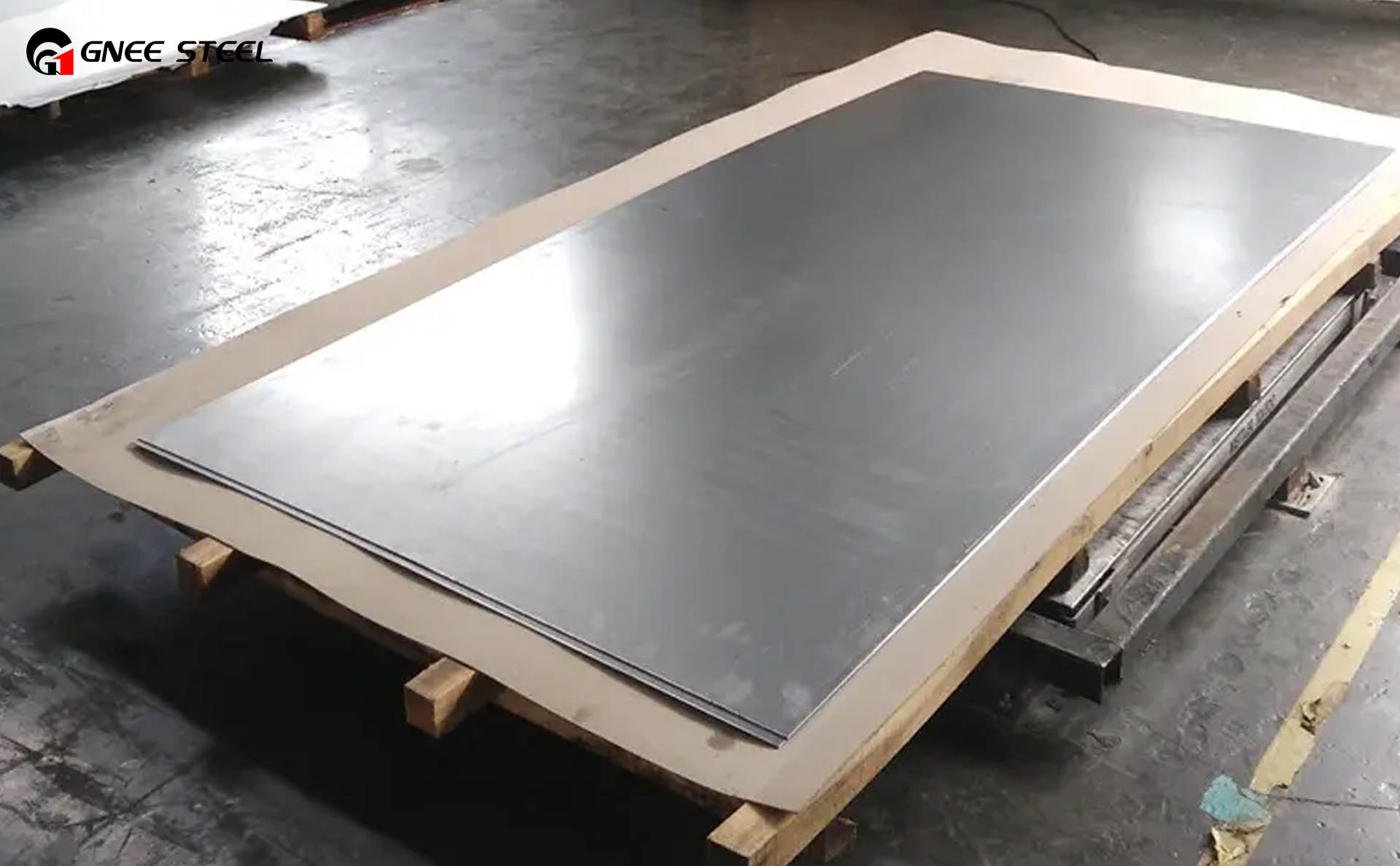
Hot-rolled steel is rolled at high temperatures. Cold-rolled steel plates have better strength, while cold-rolled hot-rolled steel plates have better ductility. Generally, the thickness of cold rolling is relatively small, while the thickness of hot rolling can be larger. Cold plates are used for cold-formed spring sheets and other parts. The thickness is pretty standard. When not rusty, it looks a bit bright like stainless steel; the hot-rolled surface is rough.
There are no cold rolling regulations for shape. The wall thickness of cold-rolled steel used for cold plates is smaller, and the cold plates are not thickened at the corners where the plates are connected. At the same time, since the yield point is closer to the tensile strength, there are two types: cold rolling and hot rolling. Different from the steel rolling process, cold rolling is rolling steel at room temperature, which makes the steel harder.
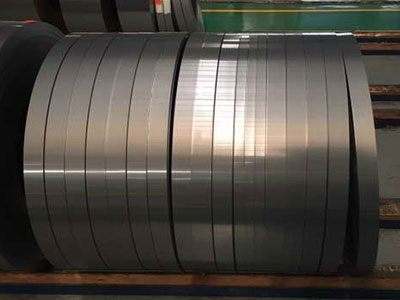
cold rolled products
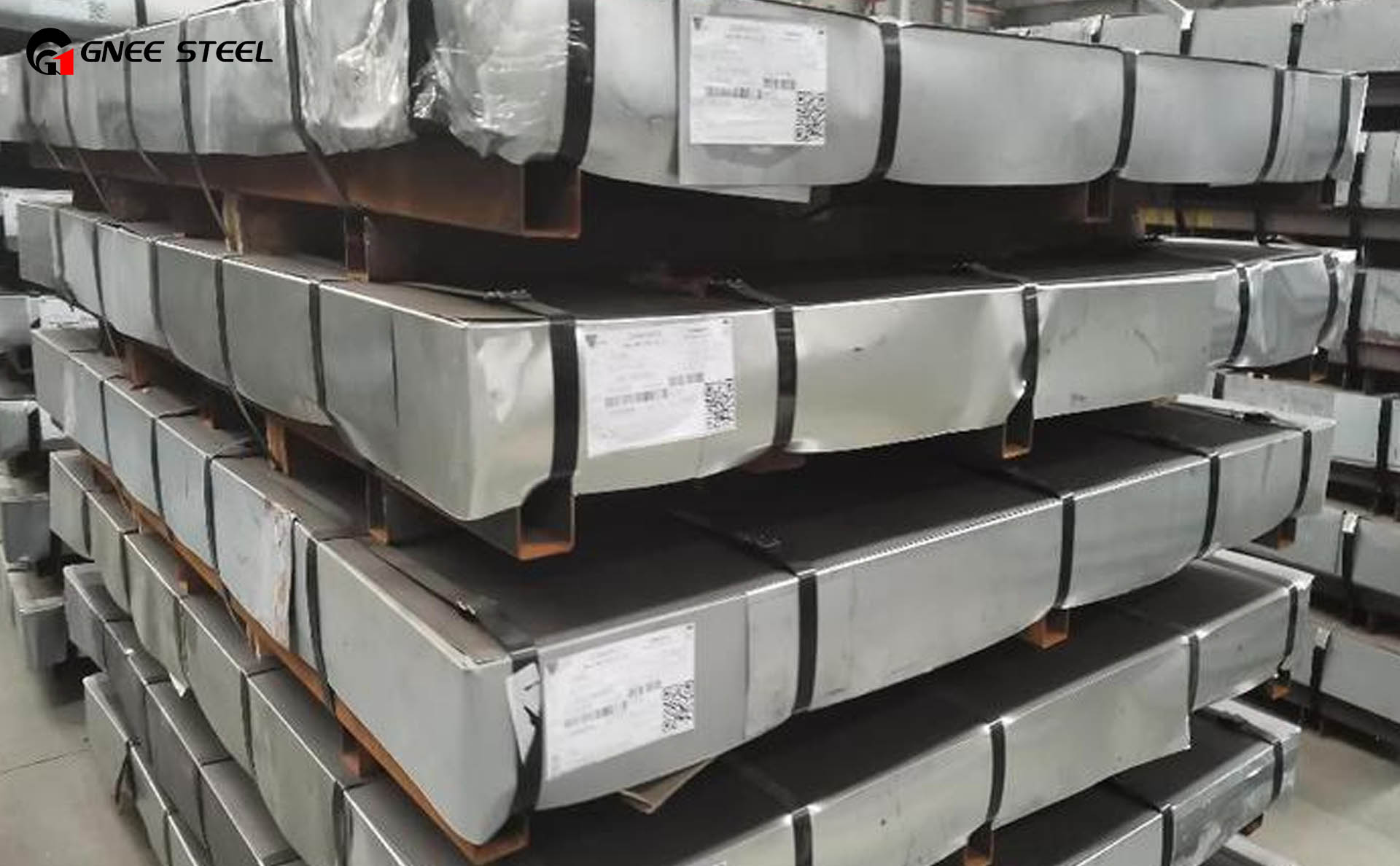
Cold-rolled products have higher packaging requirements to prevent the product surface from being scratched during transportation. In addition to the above-mentioned processes, there are also special processes in the production of some special products. For example, when rolling silicon steel sheets, decarburization annealing should be performed before cold rolling, and coating, high-temperature annealing, stretch straightening (see tension straightening) and tempering should be performed after rolling. Cold rolling usually uses longitudinal rolling. The cold rolling production process generally includes raw material preparation, rolling, degreasing, annealing (heat treatment), finishing, etc. Cold-rolled cold-rolled products use hot-rolled products as raw materials. The raw materials must be descaled before cold rolling to ensure that the surface of the cold-rolled products is clean.