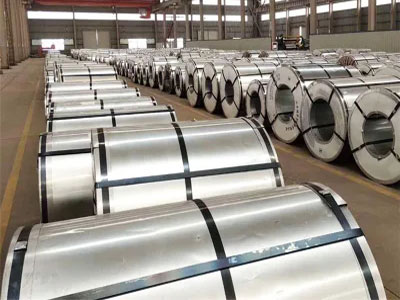
Cold rolled steel is widely used in industries that require exceptional dimensional accuracy, high surface quality, and reliable mechanical performance. Produced at room temperature after hot rolling, cold rolled steel develops a refined microstructure, improved strength, and a smooth, uniform surface. Within the EN 10130 standard, which classifies cold rolled low-carbon steel into various forming grades, DC07 stands out as the highest formability grade, offering ultra-deep-drawing capability that surpasses all other DC series grades from DC01 to DC06.
DC07 is engineered for applications that demand extreme deformation without cracking, making it one of the most advanced materials used in precision stamping and complex component manufacturing today.
.png)
Understanding the DC07 Grade
DC07 is defined as an ultra-deep-drawing cold rolled steel, produced through strict metallurgical control, with extremely low carbon content and optimized annealing. The grade is specifically developed to achieve maximum elongation and the lowest possible yield strength within the EN 10130 classification.
Because of this optimized composition and processing route, DC07 cold rolled steel exhibits exceptional plasticity and uniform deformation properties, allowing it to withstand aggressive stretching, drawing, and multi-stage forming operations. Manufacturers commonly choose DC07 when lower-grade steels, such as DC04, DC05, or even DC06, fail to meet the forming depth or complexity required.
Key Characteristics and Performance Advantages
1. Ultra-Deep-Drawing Capability
The defining feature of DC07 is its ability to remain stable under extreme forming depths. It can be stretched into narrow radii and deep cavities while maintaining a consistent wall thickness. This makes DC07 suitable for the most demanding structural and appearance-based parts where deformation limits are pushed to the maximum.
2. Extremely Low Yield Strength
DC07’s low yield strength allows the material to flow smoothly during forming, minimizing the risk of tearing or creating tool marks. This characteristic is especially important in multi-stage processes such as redrawing, flanging, or ironing, where material stress accumulates.
3. Exceptional Elongation and Plasticity
The high elongation rate of DC07 enables more uniform deformation, which is essential for creating clean, defect-free shapes. Its plasticity helps reduce production scrap and ensures consistent results across large production batches.
4. Superior Surface Quality
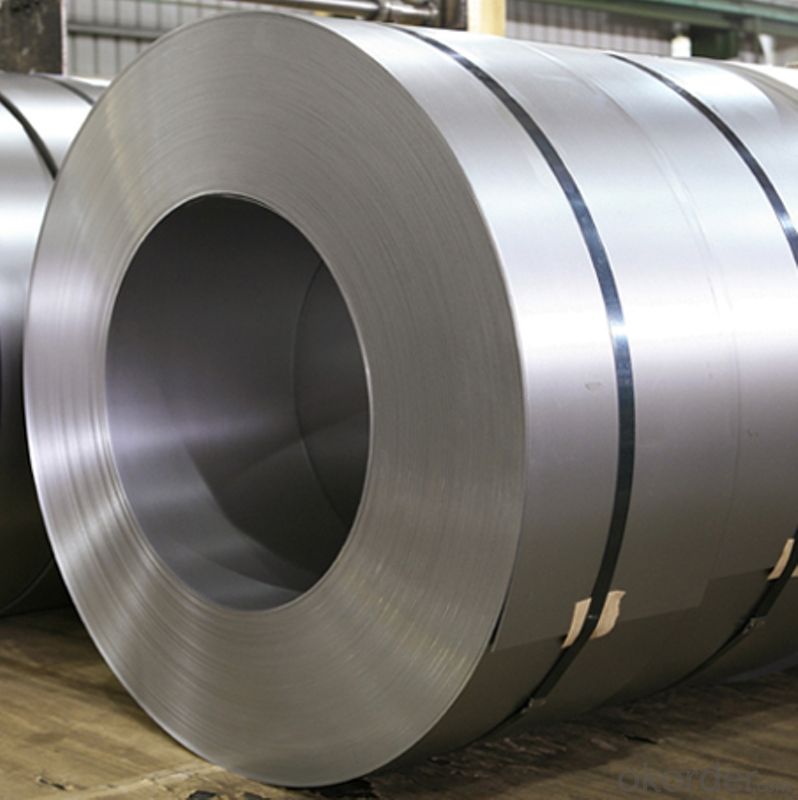
DC07 cold rolled steel sheet and coil offer a refined, smooth surface with tight dimensional tolerances. This is ideal for components that require high paint adhesion, coating, or surface finishing. Industries such as automotive and home appliances benefit significantly from this visual and functional consistency.
5. High Stability in Multi-Stage Forming
Some components require repeated forming steps, including stretching, bending, trimming, and shaping. DC07’s microstructure supports excellent stability during these complex sequences, helping manufacturers reduce defects, tool wear, and downtime.
Why DC07 Is Increasingly Popular Worldwide
As industrial standards continue to rise, manufacturers seek materials that support automated forming, higher tool speeds, and reduced scrap rates. Global search trends for terms such as “DC07 cold rolled steel coil,” “ultra deep drawing steel,” and “EN 10130 DC07 properties” indicate a growing shift toward superior forming grades.
DC07 offers the ideal balance of forming performance, surface quality, and dimensional accuracy, making it highly competitive in industries driven by precision and efficiency.
Choosing the Right Supplier for DC07
Because DC07 is a high-formability steel with strict production requirements, choosing a reliable supplier is essential. GNEE STEEL provides DC07 cold rolled steel in coils, sheets, and customized dimensions, delivered with stable quality and consistent mechanical properties.
With expertise in deep-drawing and ultra-deep-drawing materials, GNEE STEEL can help customers determine the optimal grade, thickness, and processing method for their specific application.

.png)