VR
Gnee Steel News

Welding characteristics of galvanized steel

Release Tme: 2023-09-28
Read:
Share:
Welding characteristics of galvanized steel
 
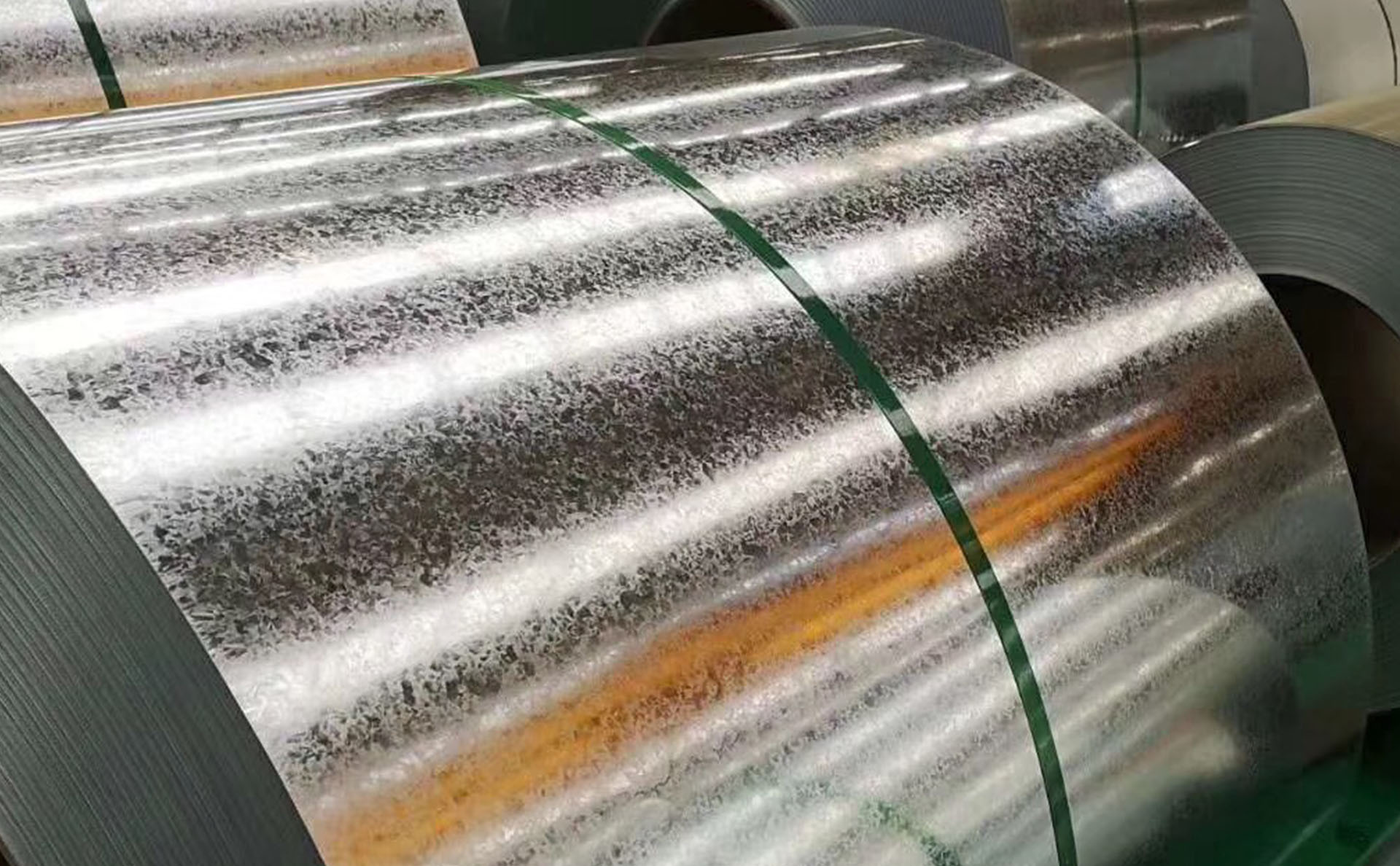
Galvanized steel is generally coated with a layer of zinc on the outside of low carbon steel, and the zinc layer is generally 20um thick. The melting point of zinc is 419°C and the boiling point is around 908°C. During welding, zinc melts into a liquid and floats on the surface of the molten pool or at the root of the weld. Zinc has a large solid solubility in iron. The zinc liquid will etch the weld metal deeply along the grain boundaries, and the low melting point zinc will form "liquid metal embrittlement."

At the same time, zinc and iron can form intermetallic brittle compounds. These brittle phases reduce the plasticity of the weld metal and cause cracks under the action of tensile stress.
Galvanized
If fillet welds are welded, especially the fillet welds of T-shaped joints, they are most likely to produce penetration cracks. When welding galvanized steel, the zinc layer on the groove surface and edges will oxidize, melt, evaporate and even volatilize
white smoke and steam under the action of arc heat, which can easily cause weld porosity.

Galvanized Steel Coil
Related Products
galvanized steel strip coil
Galvanized Steel Strip Coil
Q195 Galvanized Steel Coil
world auto steel
G3113 Saph400 Automotive Cold-Rolled Steel
Related News
Color coated roll price analysis
Color-coated steel coil, also known as color-coated steel coil, pre-coated steel coil or PPGI, is a kind of cold-rolled steel coil or galvanized steel coil that is coated with one or more layers of organic coatings on the surface, and then dried and cured. formed products. Color-coated rolls have good weather resistance, corrosion resistance and aesthetics, and are widely used in construction, home appliances, transportation, furniture and other fields. The price trend of color-coated rolls will be analyzed below.
2023-11-16
What is the difference between cold rolling and hot rolling?
Hot-rolled steel is rolled at high temperatures. Cold-rolled steel plates have better strength, while cold-rolled hot-rolled steel plates have better ductility. Generally, the thickness of cold rolling is relatively small, while the thickness of hot rolling can be larger. Cold plates are used for cold-formed spring sheets and other parts. The thickness is pretty standard. When not rusty, it looks a bit bright like stainless steel; the hot-rolled surface is rough.
2023-10-20
What material is dx51d?
Dx51d represents the grade or material of an ordinary galvanized coil.
2023-10-13